
Understanding the Path to Your First Major Rank
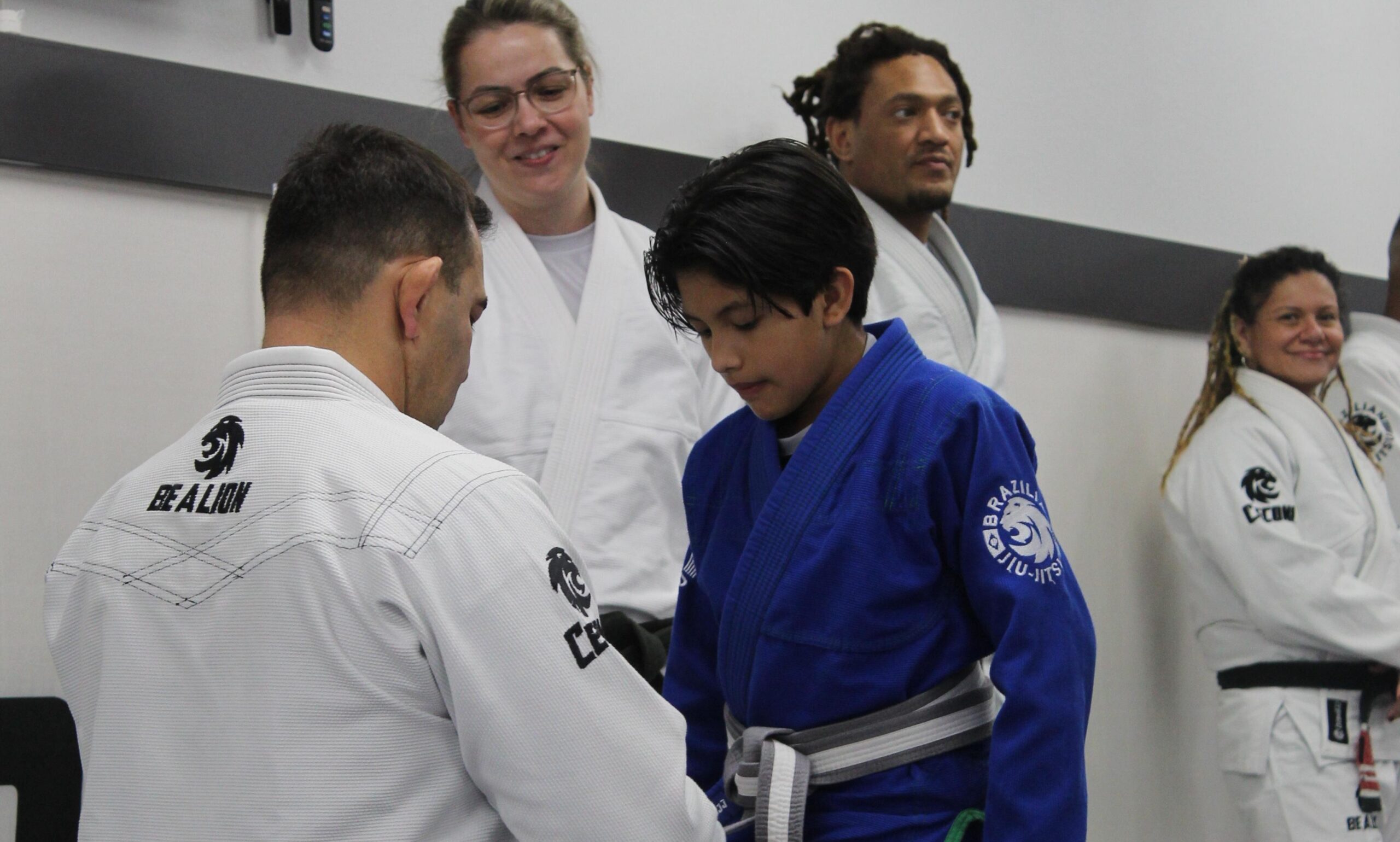
Earning a blue belt represents one of the most significant milestones in martial arts training. Students must transition from surviving basic sparring rounds to technical execution under physical pressure. Understanding specific blue belt requirements cypress jiu jitsu guidelines helps practitioners direct their practice effectively.
Beginning practitioners often wonder how coaches evaluate technical growth beyond simple mat time. Well-trained instructors analyze defensive survival skills, positional control, and emotional composure. Joining a structured community like Ceconi BJJ Cypress ensures that every practitioner builds a reliable foundation for long-term grappling development.
DISCOVER Ceconi BJJ Cypress
CLICK HEREFundamental Defensive Skills and Positional Escapes
Defensive proficiency serves as the primary requirement for earning a blue belt rank. Before attempting advanced attacks, white belts must demonstrate total technical survival from every inferior ground position.
Mastering the Bridge and Shrimp Frame
Escaping mount requires flawless hip movements and correct arm frame placement. Practitioners learn to protect their necks and elbows while applying explosive hip movements to create vital space underneath heavy opponents.
Developing dynamic hip movement allows students to prevent submissions while recovering guard position. Reviewing detailed positional principles in our jiu-jitsu belt progression guide helps white belts focus their training on high-percentage survival mechanics during sparring drills.
Side Control Survival and Frame Alignment
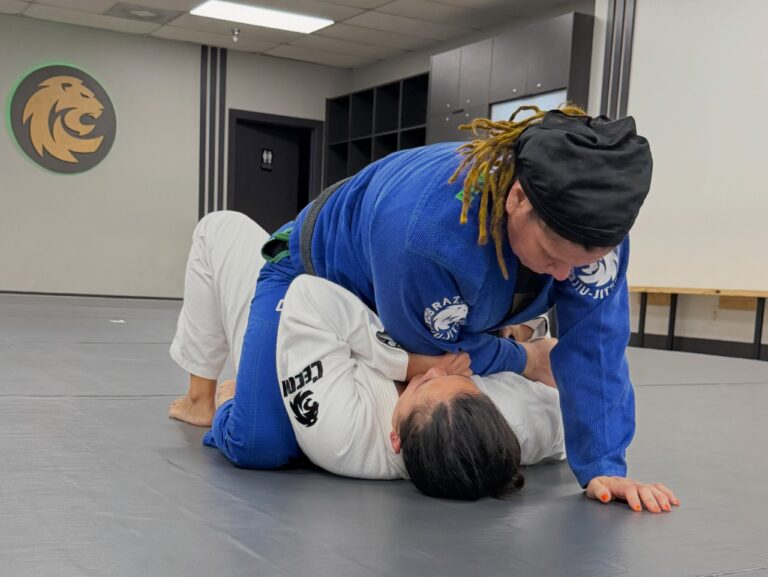
Side control defense demands patient framing across the opponent’s neck and hip. White belts must stop panicking under top pressure and systematically create space to replace their knees into closed guard.
Proper framing prevents top opponents from securing head control or flattening your shoulders. Consistent application builds physical endurance and composure when grappling against larger training partners during live technical sparring sessions.
Defending Back Control and Choke Protection
Back control represents the most dangerous position in ground martial arts combat. Candidates for blue belt must display instinctive hand-fighting skills to block neck attacks while clearing the opponent’s hooks safely.
Patience remains crucial when defending rear strangleholds under live pressure. Practitioners must prioritize controlling the primary attacking arm before attempting to turn their shoulders directly onto the mat surface safely.
Escaping Head and Arm Pin Positions
Knee-on-belly and scarf-hold pins test a practitioner’s physical resilience and technical knowledge. Students learn to frame against the opponent’s hips without exposing their upper limbs to rapid armbar isolation attacks.
Successful escapes require combining bridge momentum with rapid hip displacement techniques. Highly trained instructors verify that students remain calm while performing these defensive escapes against resisting, athletic training partners.
Core Guard Systems and Passing Mechanics
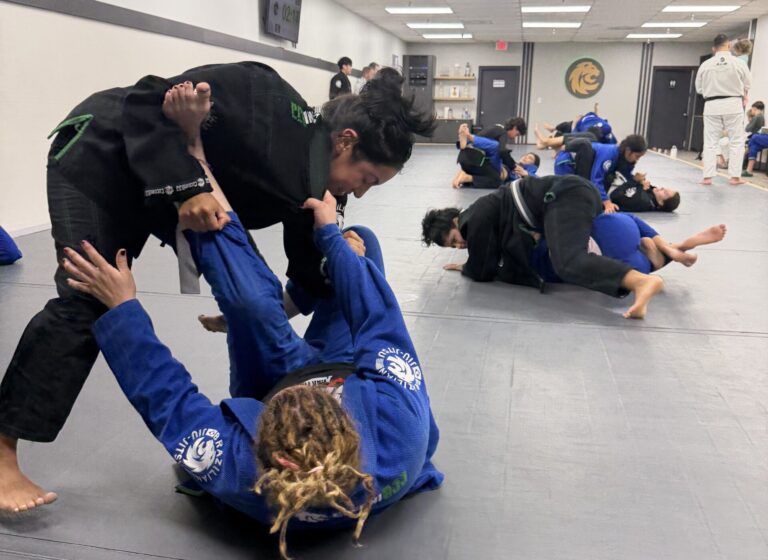
A solid blue belt candidate maintains an active guard and demonstrates fundamental passing concepts. Practitioners must transition smoothly between bottom sweeps and top pressure controls during dynamic training sequences.
Closed Guard Control and Unbalancing
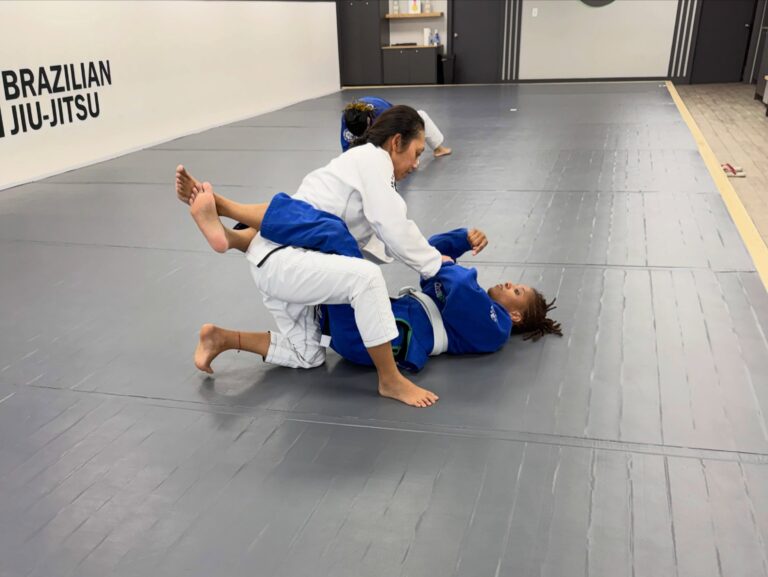
Closed guard acts as a primary defensive shield for bottom practitioners. Students must control their opponent’s collar and sleeve grips to break posture and set up basic sweeps or submissions effectively.
Maintaining posture control prevents top opponents from launching aggressive passing sequences. Mastering these core concepts helps students appreciate how fundamental movements contribute to adult stress relief and confidence during intense physical training environments.
Open Guard Foundations and Distance Management
Open guard concepts require managing space using foot placement on the opponent’s hips and knees. Students learn to retain guard by re-framing their legs whenever top passers attempt outside mobility techniques.
Distance management prevents passers from establishing chest-to-chest control easily. White belts refine these essential retention skills to maintain active offensive opportunities while preventing sudden, destabilizing guard passes from aggressive opponents.
Fundamental Guard Passing Concepts
Guard passing at the white belt level focuses on posture, base, and pressure. Students must learn both standing and knee-slice passes to clear closed, open, and half guard variations cleanly.
Passing requires pinning the bottom player’s hips while advancing around their legs systematically. Practicing these techniques under supervision builds strong physical coordination, mirroring the benefits explored in our hyperactive youth training overview.
High-Percentage Submissions and Takedowns
While defense forms the base, blue belt candidates must execute core submission attacks efficiently. Students balance ground control techniques with fundamental takedown entries from standing neutral positions.
Essential Armlocks and Shoulder Locks
Straight armbars and kimura shoulder locks form the backbone of upper-body submission systems. Practitioners learn to isolate the target arm while securing total body control to prevent defensive escapes.
Precision execution ensures that submissions function through leverage rather than raw muscular force. Students learn to apply joint locks with controlled, steady pressure, giving their training partners adequate time to tap safely.
Strangles and Collar Choke Mechanics
Cross collar chokes, triangle chokes, and rear-naked strangles represent essential choke techniques. Blue belt candidates understand how to apply clean mechanical pressure against the carotid arteries to force technical submissions.
Basic Takedowns and Breakfall Fundamentals
Grappling begins standing, making fundamental takedowns essential for all practitioners. White belts practice double-leg entries, single-leg control, and hip throws alongside proper breakfall techniques to absorb mat impact safely.
Mat Etiquette and Mental Consistency Standards
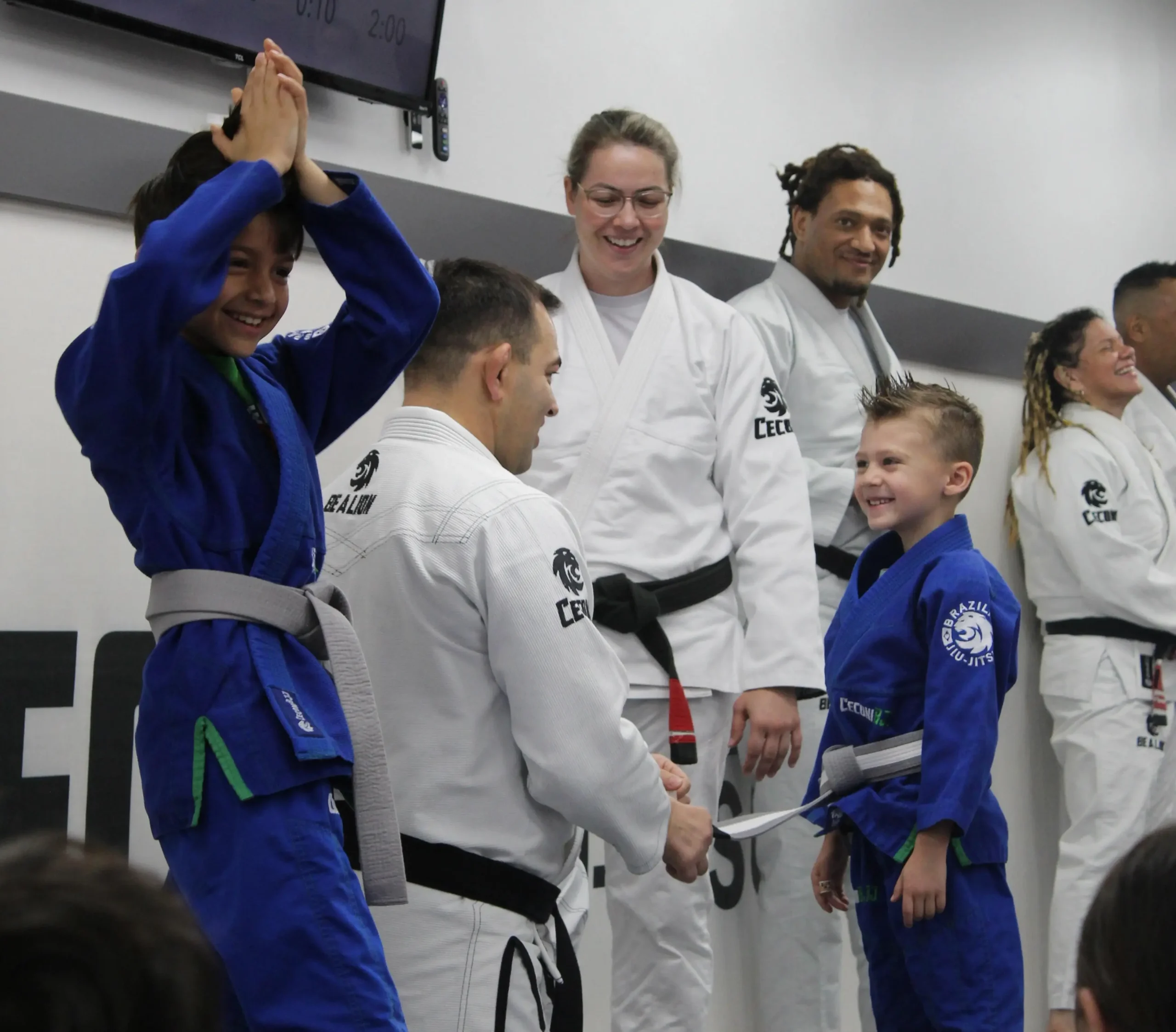
Earning a blue belt involves more than simply memorizing physical movements and techniques. Coaches evaluate a student’s consistency, respect toward training partners, and willingness to follow safety guidelines on the mat.
Regular attendance builds the muscle memory necessary for fluid execution during live sparring. Training at Ceconi BJJ Cypress provides a structured, encouraging environment where dedicated students develop physical conditioning alongside mental discipline in Cypress, TX.
Navigating Your Development at White Belt
Progress in ground grappling martial arts follows a non-linear path full of physical challenges. Students who focus on gradual daily improvements overcome technical plateaus much easier than those chasing rapid promotions.
Focusing on defensive mastery creates a solid foundation that lasts throughout your entire martial arts journey. Female practitioners seeking balanced health and empowerment can explore similar lifestyle gains in our women wellness and self-defense guide.

DISCOVER Ceconi BJJ Cypress
CLICK HEREStep Up to the Challenge in Cypress, TX
Meeting all blue belt requirements cypress jiu jitsu benchmarks demands patience, technical study, and personal commitment. By mastering defensive escapes, guard passing fundamentals, and proper mat etiquette, students prepare themselves for lifelong martial arts growth.
Our academy welcomes individuals from all fitness levels to embark on this transformative physical journey. Visit Ceconi BJJ Cypress in Cypress, TX today to step onto the mats, learn from experienced instructors, and start building your foundation.