The Thin Blue Line (and Green & Red): Why Every First Responder Should Train Jiu-Jitsu
For police officers, military personnel, and firefighters, physical fitness is not a hobby—it is a job requirement. But beyond general fitness, the specific demands of these professions require a unique set of skills. You need to be able to control chaotic situations, manage extreme stress, and ensure your own safety and the safety of others.
At Ceconi BJJ Cypress, we believe Brazilian Jiu-Jitsu is the single most effective training tool for First Responders. Here is why the “Gentle Art” is a mandatory skill for those who serve.
Discover ceconi bjj cypress
1. Law Enforcement: Control Without Excessive Force
For police officers, the ability to subdue a suspect without causing permanent injury is critical. Striking (punching or using batons) often looks bad on camera and carries a high risk of liability and injury to both the officer and the suspect.
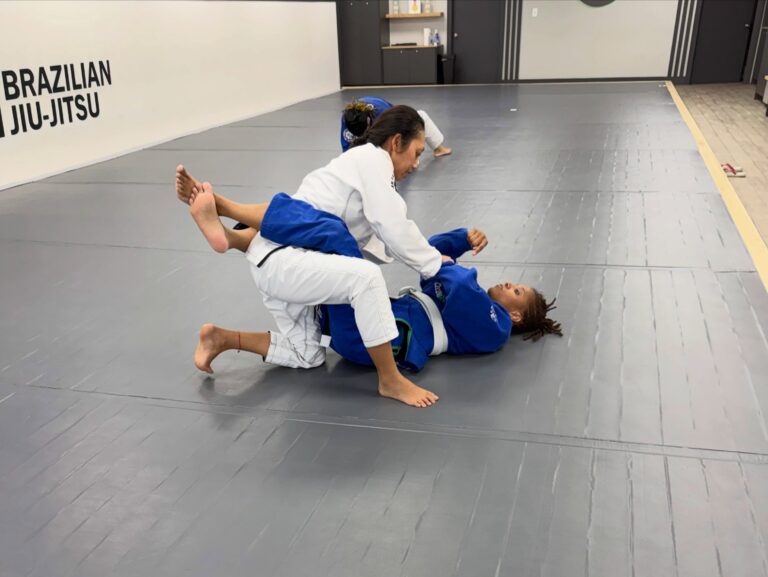
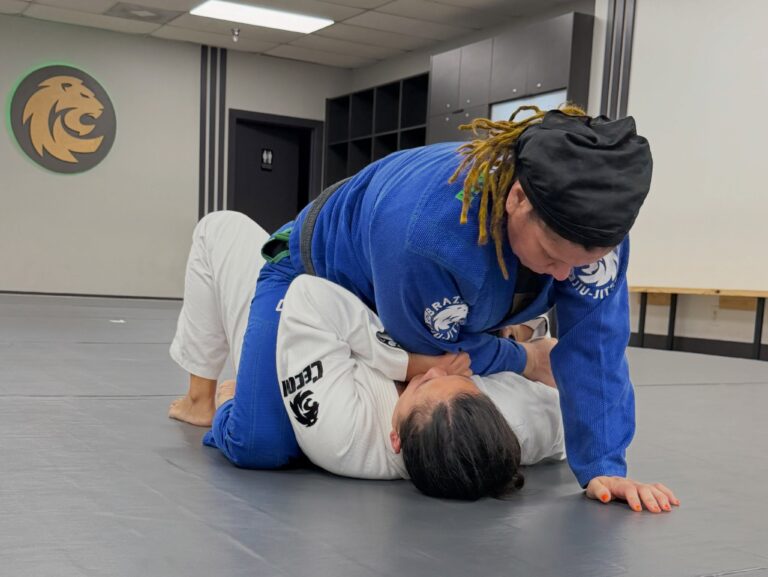
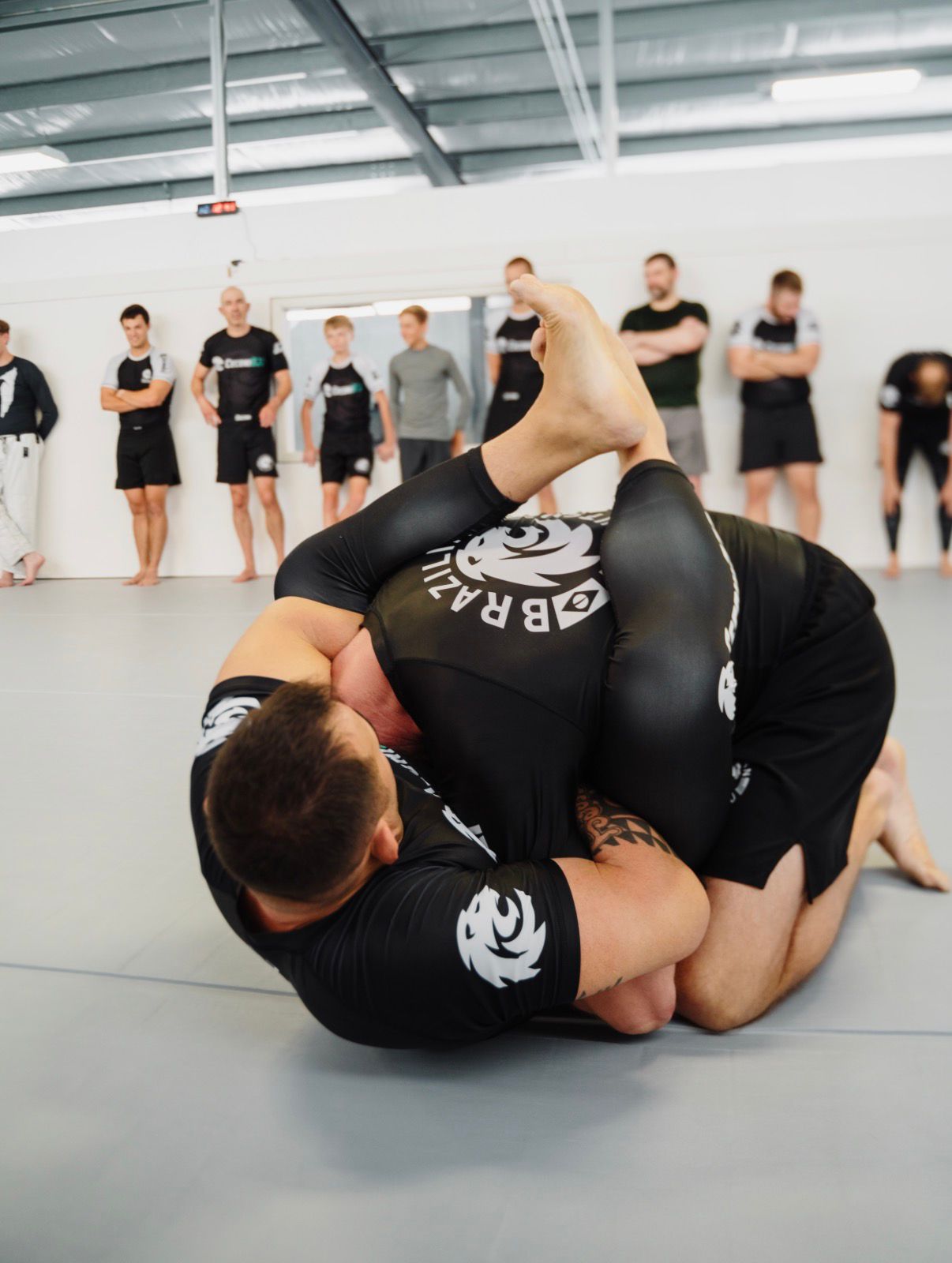
De-escalation through Control: BJJ teaches you how to close the distance safely, take a suspect to the ground, and pin them until backup arrives. You learn to use leverage to immobilize someone without needing to strike them.
Weapon Retention: A significant part of grappling involves understanding body positioning. BJJ helps officers understand how to keep their sidearm away from a suspect during a struggle.
Confidence Reduces Force: Officers who are confident in their ability to handle a physical altercation are less likely to panic and use excessive force or reach for a weapon prematurely.
2. Military: The Last Line of Defense
For military personnel, technology and firepower are primary, but warfare is unpredictable. In Close Quarters Battle (CQB), or when rules of engagement restrict lethal force, hand-to-hand combat skills are vital.
Survival: If a soldier ends up on the ground in a hostile environment, they need to know how to get back to their feet or neutralize the threat immediately.
Mental Toughness: The grind of BJJ training mimics the “embrace the suck” mentality of military service, keeping soldiers sharp even when off deployment.
3. Firefighters: Functional Strength Under Pressure
Firefighters may not fight suspects, but they fight physics. They have to drag heavy hoses, carry unconscious victims, and move in restricted spaces while wearing heavy gear.
Body Mechanics: BJJ teaches you how to use your hips and legs to move heavy weight (people) efficiently. This body awareness prevents back injuries when lifting or dragging victims.
Calm in Chaos: Getting stuck in a burning building or a tight crawlspace can induce panic. BJJ trains you to suppress claustrophobia and panic, allowing you to think clearly and find a way out.
4. The Silent Battle: Stress Relief and Mental Health
First responders see things the average person never sees. The cumulative trauma and high-stress nature of the job often lead to burnout, anxiety, and PTSD.
A Healthy Outlet: Jiu-Jitsu provides a physical way to process stress. The intensity of rolling releases endorphins and allows you to “leave the job at the door.”
Brotherhood: The camaraderie on the mats offers a support system outside of the station or base. It’s a place to decompress with people who trust and respect you.
A Skill Set That Saves Lives
For civilians, BJJ is a sport or a hobby. For First Responders, it is an insurance policy. It protects your life, your career, and your mental health.
Discover ceconi bjj cypress
We offer special support for those who serve our community and country. If you wear a uniform, you owe it to yourself to be as prepared as possible. Come train with us at Ceconi BJJ Cypress.